

“`html
A Beginner’s Guide to Home Improvement: Transform Your Space Today
Stepping into the world of home improvement can feel daunting, especially if you’re a beginner. Visions of elaborate renovations and costly contractors might dance in your head, making you hesitant to even pick up a paintbrush. But what if we told you that transforming your living space, enhancing its comfort, and even increasing its value can start with simple, manageable steps? This comprehensive beginner’s guide to home improvement is designed to demystify the process, equip you with essential knowledge, and inspire you to tackle your first DIY project with confidence.
Welcome to the Rewarding World of Home Improvement!
Home improvement isn’t just about fixing things; it’s about creating a personal sanctuary, expressing your style, and investing in your future. For beginners, the journey begins not with a grand overhaul, but with understanding the basics, setting realistic expectations, and identifying projects that align with your skill level and resources. From a fresh coat of paint to a cleverly organized closet, every small effort contributes to a more beautiful and functional home.
Why Embark on Home Improvement? The Benefits Await
The reasons to dive into home improvement are numerous and compelling:
-
Boost Your Home’s Value
Even minor upgrades like a modern front door, updated lighting, or a well-maintained garden can significantly increase your property’s market appeal and resale value. Strategic renovations offer an excellent return on investment.
-
Enhance Livability and Comfort
Your home should be a place of comfort and joy. Projects that improve functionality, add storage, or update aesthetics can make your daily life more pleasant and your home more enjoyable.
-
Express Your Personal Style
DIY projects allow you to infuse your personality into every corner of your home, making it truly yours. Choose colors, textures, and designs that reflect who you are.
-
Learn New Skills and Save Money
Tackling projects yourself empowers you with new skills and can save you a substantial amount on labor costs. The satisfaction of a job well done by your own hands is invaluable.
Getting Started: The Essential Foundation
Before you even think about tools or materials, some crucial preliminary steps will set you up for success.
Dream Big, Start Small: Identifying Your First Project
Don’t overwhelm yourself with a kitchen remodel right off the bat. Begin with a manageable project that builds your confidence and skills. Think about what bothers you most, or what could offer the most immediate impact.
- Painting a single room or an accent wall.
- Updating outdated light fixtures or hardware.
- Decluttering and organizing a pantry or closet.
- Minor landscaping tweaks, like planting flowers or pruning shrubs.
- Fixing a leaky faucet or a wobbly shelf.
Budgeting for Success: How Much Will It Cost?
A realistic budget is your best friend. Research the cost of materials, tools (if you don’t own them), and potential professional help. Always add a 10-15% contingency fund for unexpected issues or forgotten items.
- Research material costs online and in local stores.
- Get quotes for specific tasks even if you plan to DIY, to understand market value.
- Factor in necessary tools – some might be worth renting or buying for future projects.
The Power of Planning: Your Project Roadmap
Poor planning is often the biggest cause of project delays and frustration. A little forethought goes a long way.
- Define Scope: Clearly outline what you want to achieve.
- Gather Inspiration: Use Pinterest, magazines, or home improvement shows to solidify your vision.
- List Materials & Tools: Create a detailed list before you start shopping to avoid multiple trips.
- Set a Realistic Timeline: Break the project into smaller steps and allocate time for each.
- Research Techniques: Watch tutorials on YouTube for specific tasks.
Essential Tools for the Beginner DIYer
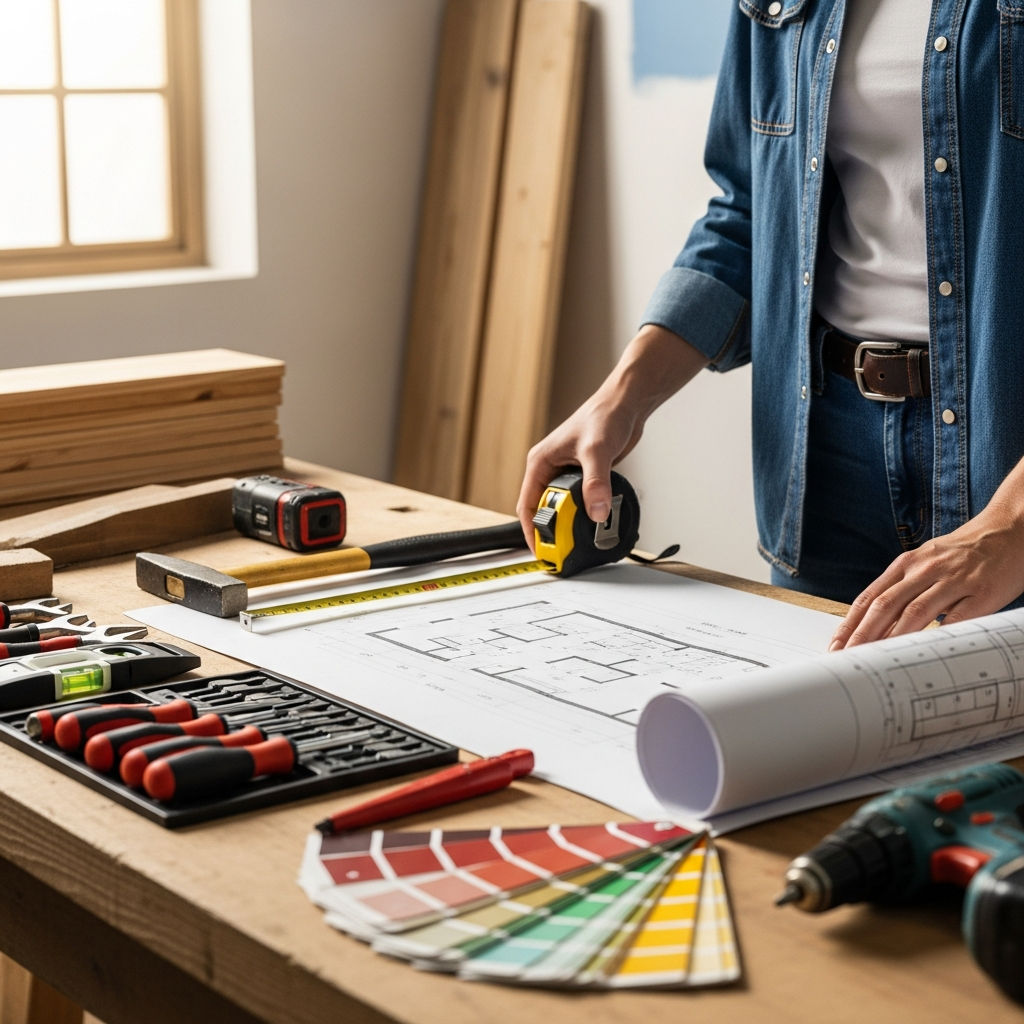
You don’t need a professional workshop to start. A basic toolkit will cover most beginner projects:

- Tape Measure: Crucial for accurate measurements.
- Hammer: For nails and minor demolition.
- Screwdriver Set: Both Phillips and flathead, in various sizes.
- Pliers: For gripping, bending, and cutting.
- Utility Knife: For cutting boxes, caulk, wallpaper, etc.
- Level: Essential for ensuring things are straight.
- Cordless Drill: A game-changer for driving screws and drilling holes.
- Safety Glasses & Gloves: Non-negotiable for protection.
- Pencil & Notebook: For marking and planning.
Safety First: Protecting Yourself and Your Home
Safety should be your number one priority on any home improvement project.
- Always wear appropriate protective gear (gloves, safety glasses, dust masks).
- Read and understand instructions for all tools and materials.
- Turn off power at the breaker when working with electricity, and water at the main valve for plumbing.
- Work in well-ventilated areas, especially when painting or using strong adhesives.
- Keep a first-aid kit handy.
- Never hesitate to call a professional if a task feels beyond your capabilities or involves significant risk.
Simple Home Improvement Projects to Tackle First
Ready to get your hands dirty? Here are some fantastic starting points:
Interior Refresh: Painting and Decorating
A fresh coat of paint is one of the most impactful and cost-effective ways to transform a room. It instantly updates the look and feel.
- Prep is Key: Clean walls, fill holes, sand smooth, and tape off edges meticulously.
- Choose Quality: Invest in good quality paint, brushes, and rollers for a smoother finish.
- Technique: Apply multiple thin coats rather than one thick one.
Lighting Upgrades: Brighten Your Space
New light fixtures or improved lighting schemes can dramatically change a room’s ambiance and functionality.
- Replace outdated ceiling fixtures or wall sconces (remember to turn off power!).
- Install dimmer switches for mood lighting.
- Add under-cabinet LED strip lighting in the kitchen for task lighting.
Enhancing Curb Appeal: Outdoor Touches
The exterior of your home makes the first impression. Simple outdoor projects can significantly boost curb appeal.
- Plant colorful flowers or low-maintenance shrubs.
- Power wash siding, driveways, and walkways.
- Update house numbers, your mailbox, or outdoor light fixtures.
- Repair a loose fence picket or paint your front door a welcoming color.
Smart Storage Solutions: Declutter and Organize
Improving storage not only makes your home tidier but also more functional and visually appealing.
- Install floating shelves in a living room or bathroom.
- Add simple closet organizers to maximize space.
- Build or assemble basic storage units for garages or utility rooms.
Minor Repairs and Maintenance: Keeping Things Running Smoothly
Proactive maintenance prevents small problems from becoming big, expensive ones.
- Fix a leaky faucet or running toilet.
- Patch small holes or cracks in drywall.
- Re-caulk around bathtubs, sinks, windows, and doors to prevent leaks and drafts.
- Clean out gutters to prevent water damage.
When to Call a Professional
While DIY is empowering, it’s vital to know your limits. For certain tasks, hiring a licensed professional is not just advisable, but often legally required and crucial for safety and quality.
- Major electrical work (rewiring, new circuits).
- Structural changes to your home.
- Extensive plumbing beyond simple fixture replacements.
- HVAC system installation or major repairs.
- Roofing replacement or significant repairs.
- Any project requiring specialized heavy equipment or permits you’re unfamiliar with.
The Journey of Continuous Improvement
Home improvement is rarely a one-time event; it’s an ongoing journey. As you complete projects, you’ll gain confidence, acquire new skills, and develop a deeper appreciation for your home. Don’t be afraid to make mistakes – they are often the best teachers. Celebrate your small victories, learn from every challenge, and enjoy the process of making your home truly your own.
Conclusion: Your Home, Your Masterpiece
Starting your home improvement journey as a beginner is an exciting and rewarding endeavor. By beginning with careful planning, smart budgeting, choosing simple projects, and always prioritizing safety, you’ll soon be transforming your living space one confident step at a time. Embrace the challenge, enjoy the creative process, and watch as your home evolves into the comfortable, beautiful, and personalized masterpiece you’ve always dreamed of.
“`
