
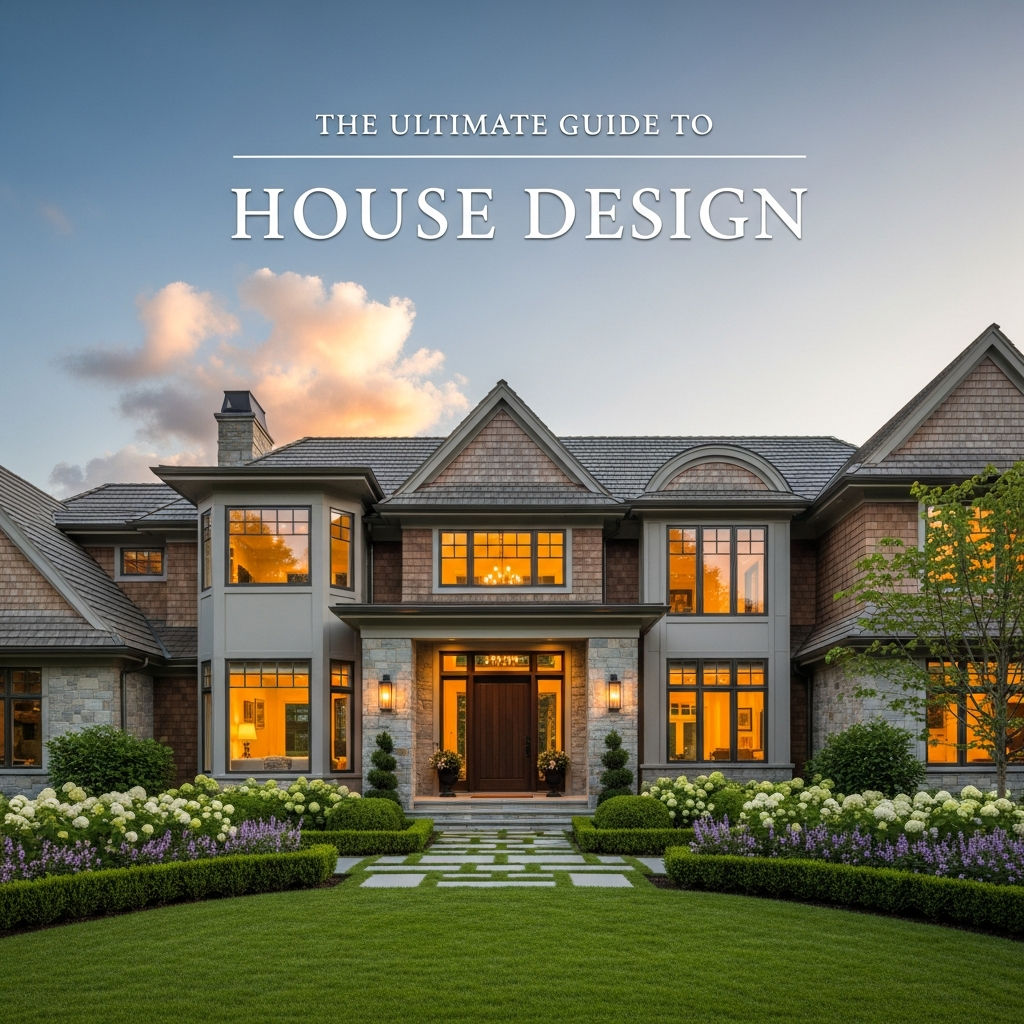
The Ultimate Guide to House Design
Designing a home is more than just drawing blueprints; it’s about creating a living space that reflects your lifestyle, aspirations, and personality. It’s an intricate dance between aesthetics, functionality, and structural integrity. Whether you’re planning a new build, a significant renovation, or simply dreaming of your perfect abode, understanding the core principles and processes of house design is paramount. This ultimate guide will walk you through everything you need to know to embark on your journey to a beautifully designed home.
Understanding the Fundamentals of House Design
At its heart, house design is the art and science of shaping environments for human habitation. It encompasses everything from the overall layout and structural framework to the intricate details of interior finishes and exterior landscaping. A well-designed home is a sanctuary, a practical hub, and a reflection of its occupants.
What is House Design?
House design, often synonymous with residential design or architectural design, involves conceptualizing and planning the construction or renovation of a home. It considers how space is organized, how light enters, how materials are used, and how the building interacts with its surroundings. The goal is to create spaces that are not only visually appealing but also comfortable, efficient, safe, and durable.
Why Invest in Professional House Design?
While DIY might seem tempting, professional house design offers invaluable benefits that pay dividends in the long run. An experienced architect or building designer brings expertise, creativity, and problem-solving skills to the table, transforming your vision into a tangible plan.
- Optimized Functionality: Professionals create floor plans that maximize space, improve flow, and cater to your specific daily routines.
- Cost Efficiency: Good design can reduce construction costs through smart material choices and efficient layouts, and save on energy bills through sustainable practices.
- Enhanced Aesthetics: Achieve a cohesive and beautiful home, both inside and out, with a professional eye for detail and style.
- Increased Resale Value: A well-designed home stands out in the market, appealing to future buyers.
- Regulatory Compliance: Navigating complex building codes, zoning laws, and permit requirements becomes seamless with expert guidance.
- Problem Prevention: Identifying potential issues early in the design phase saves time and money during construction.
The House Design Process: Step-by-Step
The journey from concept to completion is a structured process, typically involving several key stages. Understanding these steps will help you collaborate effectively with your design team and make informed decisions.
Step 1: Vision & Needs Assessment
This initial phase is about introspection and defining your dream. What kind of lifestyle do you lead? How many people will live in the home? What are your future plans (e.g., family expansion, working from home)? Consider your preferred aesthetic (modern, traditional, minimalist), desired number of bedrooms and bathrooms, specific functional areas (home office, gym, media room), and storage needs. This forms the brief for your design team.
Step 2: Site Analysis & Feasibility
The site profoundly influences the design. Your architect will analyze the land’s topography, orientation, climate, views, access, soil conditions, and surrounding environment. Crucially, they’ll research local zoning regulations, building codes, and covenants to determine what can legally and practically be built on your chosen plot. This step ensures your design is contextual and compliant.
Step 3: Budgeting & Financing
Setting a realistic budget is critical. This isn’t just about the cost of construction, but also design fees, permits, land acquisition (if applicable), landscaping, and interior furnishings. A clear budget helps your designer make appropriate material and size recommendations, preventing costly overruns later on.
Step 4: Conceptual Design & Schematic Drawings
Here, your vision begins to take shape. The architect will create initial sketches, bubble diagrams, and rough floor plans exploring various layout options. This stage focuses on spatial relationships, overall massing, flow between rooms, and how the building sits on the site. You’ll review these concepts, providing feedback to refine the direction.
Step 5: Design Development & Material Selection
Once a conceptual design is approved, it’s elaborated upon. Detailed floor plans, elevations (exterior views), and sections (cutaway views) are developed. This is where decisions about specific materials (flooring, roofing, siding), windows, doors, fixtures, and building systems (HVAC, plumbing, electrical) are made. Your designer will help you select materials that align with your aesthetic, budget, and performance goals.
Step 6: Construction Documentation
This is the technical phase where all design decisions are translated into comprehensive construction drawings and specifications. These detailed documents, often called blueprints, provide builders with all the information needed to construct the home accurately. They are also essential for obtaining building permits from local authorities.
Step 7: Construction & Project Management
With permits secured and a builder selected, construction begins. Your designer may offer construction administration services, periodically visiting the site to ensure the build adheres to the design documents, address any unforeseen issues, and maintain the integrity of the design vision.
Key Principles of Effective House Design
Good house design isn’t accidental; it adheres to fundamental principles that ensure the home is both beautiful and highly functional.
Functionality & Flow
A well-designed home promotes ease of living. This means logical placement of rooms, clear circulation paths, and appropriate sizing for each space. Consider the “zones” of your home: public (living, dining), private (bedrooms, bathrooms), and service (kitchen, utility). How do these zones connect? Does the layout support your daily routines?
Aesthetics & Style
The visual appeal of your home, both inside and out, is crucial. This involves selecting a coherent architectural style (e.g., modern, traditional, craftsman), choosing exterior finishes that complement the surroundings, and developing an interior design scheme that reflects your taste. Harmonious proportions, balance, and attention to detail contribute significantly to a home’s aesthetic quality.
Sustainability & Energy Efficiency
Modern house design increasingly prioritizes environmental responsibility. Sustainable design principles include maximizing natural light and ventilation (passive design), choosing eco-friendly materials, incorporating renewable energy sources (solar panels), superior insulation, and water-saving fixtures. This not only reduces your environmental footprint but also lowers utility bills.
Light & Ventilation
Natural light enhances mood, reduces energy consumption, and makes spaces feel larger and more inviting. Strategic window placement and sizing are key. Similarly, good cross-ventilation ensures fresh air circulation, helps regulate indoor temperature, and improves indoor air quality.
Space Planning & Scale
Efficient space planning ensures every square foot serves a purpose. It’s about creating a sense of spaciousness without necessarily building a massive home. Scale refers to how the different elements of a design relate to each other and to the human body. Well-proportioned rooms and features feel comfortable and natural.
Popular House Design Styles & Trends
The world of house design is rich with diverse styles, each offering unique characteristics and aesthetics. Understanding these can help you articulate your preferences to your designer.
Modern & Contemporary House Design
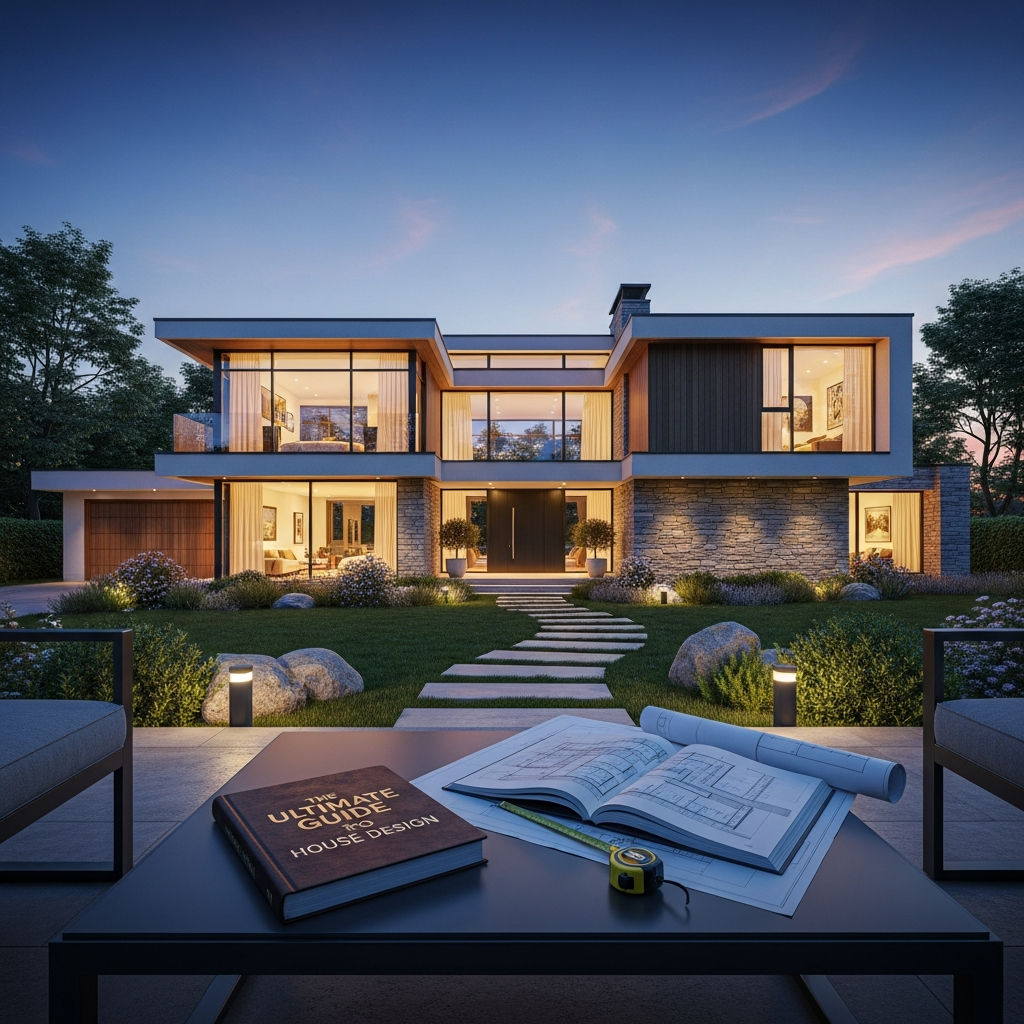
Characterized by clean lines, open-plan layouts, large windows, minimalist aesthetics, and often a flat or low-pitched roof. Materials like concrete, steel, and large expanses of glass are common. Contemporary design is an evolving style, reflecting current trends, while modern design refers to a specific period (early to mid-20th century).
Traditional & Classic House Design
These styles draw inspiration from historical architectural periods, often featuring symmetrical facades, pitched roofs, detailed ornamentation, and classic proportions. Examples include Colonial, Victorian, Georgian, and Tudor styles, which emphasize comfort, warmth, and timeless elegance.
Sustainable & Eco-Friendly Design
Beyond a specific aesthetic, this approach integrates green building principles into any style. Focus is on energy efficiency, minimal environmental impact, healthy indoor air quality, and responsible material sourcing. Features often include passive solar design, rainwater harvesting, green roofs, and recycled materials.
Small & Efficient House Design
Driven by affordability, sustainability, and a desire for simpler living, small house design maximizes functionality within a compact footprint. This includes tiny homes, small modular homes, and smartly designed bungalows that prioritize intelligent storage, multi-functional spaces, and indoor-outdoor living.
Choosing the Right Professionals for Your House Design
The success of your house design project largely depends on the professionals you choose to work with.
Architects vs. Building Designers
Architects are licensed professionals with extensive education and training in all aspects of building design, project management, and construction administration. They are best suited for complex, custom homes, projects requiring significant structural changes, or those with unique site challenges. Building Designers often specialize in residential projects and can provide excellent design services for less complex homes or renovations, often at a lower cost. Check their qualifications and portfolio to ensure they meet your needs.
Interior Designers & Landscape Architects
For a truly holistic design, consider engaging an Interior Designer to refine interior aesthetics, furniture layouts, material choices, and lighting. A Landscape Architect can seamlessly integrate your home with its outdoor environment, designing gardens, patios, and outdoor living spaces that enhance curb appeal and functionality.
What to Look For in a Professional
When selecting your design team, look for professionals with a strong portfolio of similar projects, excellent communication skills, a clear understanding of your vision and budget, transparent fee structures, and positive client references. A good working relationship is key to a successful project.
Essential Considerations Beyond the Blueprint
A house design project doesn’t end with the final drawings. Several other elements contribute to the overall success and enjoyment of your home.
Interior House Design Elements
Once the architectural layout is finalized, focus on the interior. This includes furniture placement, color schemes, lighting design, material selections for floors, walls, and ceilings, and integrating smart storage solutions. These elements create the ambiance and functionality within each room.
Exterior House Design & Curb Appeal
The exterior of your home is its public face. Consider the facade materials, roofing style, window treatments, front door design, and the integration of landscaping. Good curb appeal not only makes your home enjoyable for you but also enhances its value and neighborhood aesthetics.
Technology & Smart Home Integration
Plan for smart home technologies from the outset. This can include integrated lighting systems, climate control, security cameras, automated blinds, and entertainment systems. Designing for these technologies during the initial stages avoids costly retrofits later.
Conclusion: Your Dream Home Awaits
Designing a house is a significant undertaking, but with careful planning, clear communication, and the right professional guidance, it can be an incredibly rewarding experience. By understanding the stages of the design process, embracing key architectural principles, and making informed choices, you can create a home that is not just a building, but a true reflection of you and a place where cherished memories will be made for years to come. Start envisioning your dream home today, and take the first step towards bringing it to life with thoughtful, intelligent home design.
