

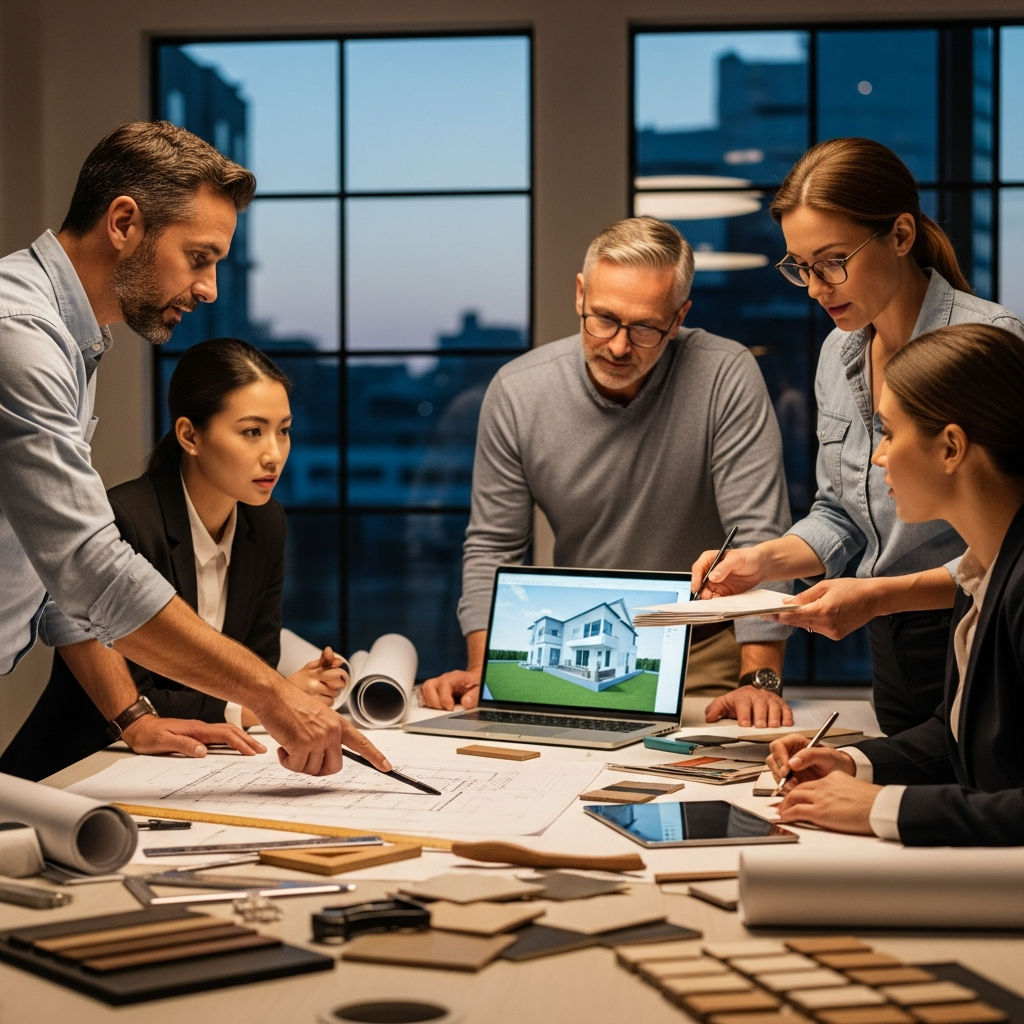
Expert Advice on House Design and Beyond: Crafting Your Dream Living Space
Embarking on the journey of designing a new home or renovating an existing one is an exciting, yet often overwhelming, endeavor. From the initial conceptualization to the final décor, every decision shapes not just a structure, but a living environment that profoundly impacts your daily life. This is where expert advice on house design becomes invaluable, guiding you through the complexities to create a space that is beautiful, functional, sustainable, and truly reflects your unique lifestyle. This comprehensive guide delves into the essential elements of residential design, extending beyond the blueprints to encompass the entire living experience.
The Foundation: Understanding Your Needs and Vision
The first step in any successful house design project is introspection. Before you even consider architectural styles or color palettes, you must deeply understand what you need and envision for your home.
Self-Reflection: Your Lifestyle Blueprint
Your home should be a tailor-made reflection of how you live, work, and relax. Expert home planning guide starts with a detailed self-assessment.
- **Daily Routines:** How do you spend your mornings, afternoons, and evenings? Do you need a quiet breakfast nook or a large island for family gatherings?
- **Family Dynamics:** Consider current family size and future growth. Are open-plan living areas essential, or do you prefer distinct zones for privacy?
- **Work and Hobbies:** Do you require a dedicated home office, an art studio, a home gym, or a workshop?
- **Entertaining Habits:** How often do you host guests? Do you need spacious common areas, an outdoor entertaining zone, or a formal dining room?
- **Storage Needs:** Be realistic about what you own. Ample, well-planned storage is crucial for a clutter-free environment.
- **Accessibility:** Plan for potential future needs, such as aging in place or accommodating family members with mobility challenges.
Defining Your Aesthetic and Functionality
Once you understand your lifestyle, you can start to define the aesthetic and practical requirements for your dream home design.
Explore different design styles that resonate with you. Do you lean towards the sleek lines of modern house designs, the cozy charm of a farmhouse, the timeless elegance of traditional styles, or the minimalist approach? Simultaneously, consider the functional requirements of each space.
- **Open-Concept vs. Defined Spaces:** Weigh the pros and cons based on your privacy needs and entertaining style.
- **Natural Light:** Maximize daylight and views, considering window placement and orientation.
- **Flow and Connectivity:** Think about how people will move through your home and the relationships between different rooms.
- **Material Preferences:** Start to think about materials that appeal to you – from flooring to countertops – keeping durability and maintenance in mind.
Architectural Mastery: Designing for Form and Function
With a clear vision in mind, the next phase involves translating those ideas into a robust architectural plan. Expert architectural advice ensures your home is not only beautiful but also structurally sound, efficient, and perfectly tailored.
Choosing the Right Architectural Style
The architectural style sets the tone for your entire home, influencing its curb appeal and interior character.
A residential design expert can help you navigate the myriad of options. Whether it’s the clean aesthetic of contemporary design, the enduring appeal of a Craftsman, the rustic charm of a Mediterranean villa, or the sophisticated simplicity of a Scandinavian-inspired home, each style brings its own set of characteristics and benefits. Consider your local climate, the surrounding neighborhood, and your personal taste when making this pivotal decision.
Optimizing Layout and Space Planning
A functional home layout is the hallmark of good design. It’s about more than just placing rooms; it’s about creating an intuitive and comfortable living experience.
- **Zoning:** Divide your home into distinct zones for public (living, dining), private (bedrooms, bathrooms), and service (laundry, utility) areas.
- **Circulation:** Ensure hallways and pathways are wide enough and logically placed to facilitate easy movement.
- **Room Proportions:** Balance room sizes to avoid cramped or overly vast spaces, ensuring each room feels comfortable and usable.
- **Maximizing Space:** Implement clever storage solutions, built-ins, and multi-functional furniture to make every square foot count.
- **Natural Light and Ventilation:** Strategically place windows and doors to harness sunlight, provide cross-ventilation, and create bright, airy interiors.
Embracing Sustainable and Smart Design
Modern house designs increasingly integrate sustainability and technology, offering long-term benefits for both homeowners and the planet.
Sustainable home design focuses on minimizing environmental impact while maximizing energy efficiency. This includes using eco-friendly materials, incorporating passive heating and cooling strategies, and integrating renewable energy sources like solar panels. Smart home integration, on the other hand, brings convenience and control, allowing you to manage lighting, temperature, security, and entertainment systems with ease. These features not only enhance comfort but can also lead to significant energy savings and increased home value.
The Art of Interior Design: Bringing Spaces to Life
Beyond the structure, interior design trends and timeless principles transform a house into a home, reflecting personality and promoting well-being.
Color, Light, and Texture: The Trifecta of Ambiance
These elements are fundamental to creating the desired mood and atmosphere within each room.
- **Color Palette:** Choose colors that evoke the right emotions – calm blues for bedrooms, vibrant yellows for kitchens, or sophisticated grays for living areas. Consider how colors flow from one room to another.
- **Lighting Design:** Layer different types of lighting – ambient, task, and accent – to create depth and functionality. Natural light is king, but well-planned artificial lighting is essential for all hours.
- **Texture and Materials:** Introduce warmth and interest through varying textures, from soft textiles and plush rugs to rough-hewn wood and smooth polished stone.
Furniture and Decor: Personalizing Your Home
Furniture should be both beautiful and practical, while decor adds the finishing touches that make a house truly feel like home.
Focus on balance, scale, and proportion when selecting furniture. Ensure pieces are appropriately sized for the room and complement the overall design style. Personalize your home with art, photographs, cherished objects, and plants that tell your story. Avoid clutter by curating your possessions and displaying only what brings you joy or serves a purpose.
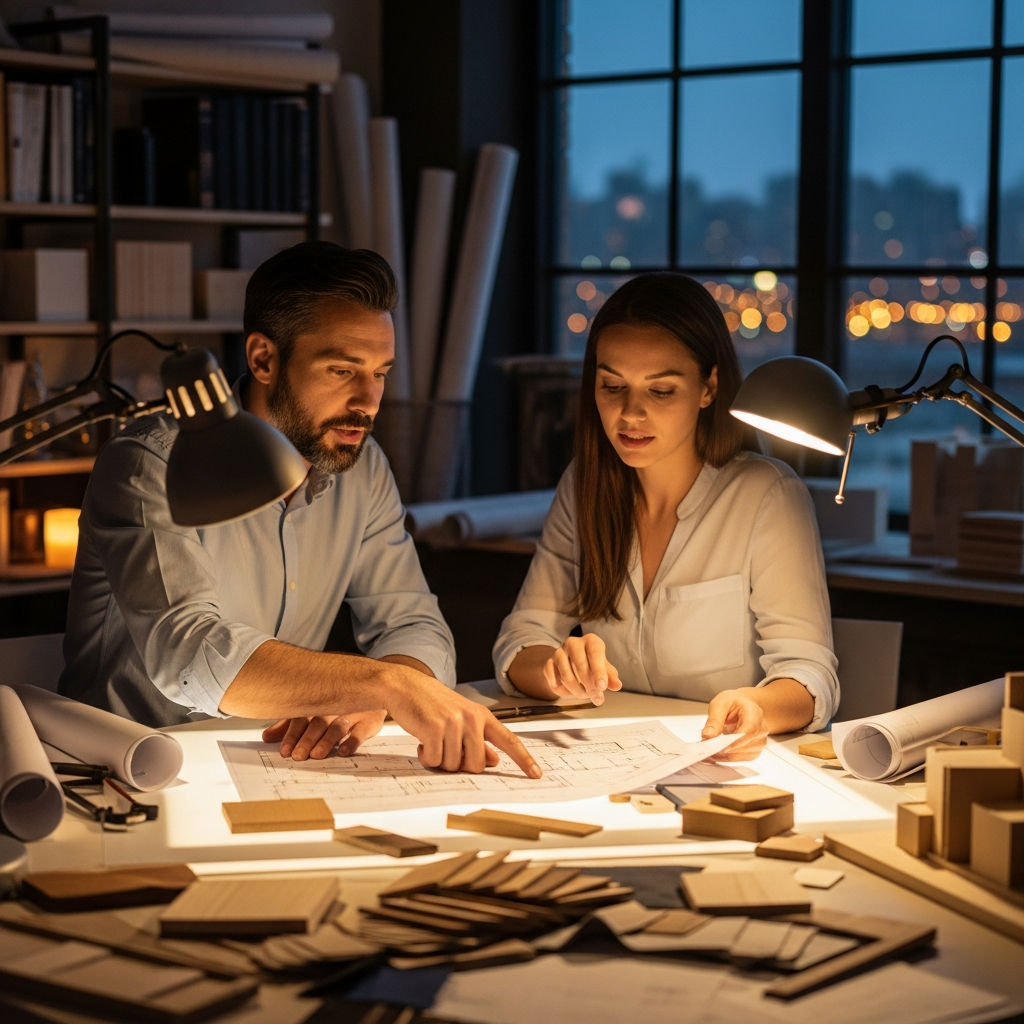
Beyond the Blueprint: Creating a Holistic Living Environment
A truly expert-designed home extends its influence beyond the four walls, embracing outdoor spaces and considering its lifecycle.
Outdoor Spaces: Extending Your Home’s Embrace
Your outdoor areas are an extension of your living space and should be designed with the same care and attention as the interior.
Consider landscaping, patios, decks, gardens, and even outdoor kitchens. The goal is to create continuity between indoor and outdoor environments, offering additional areas for relaxation, entertaining, and enjoying nature. Thoughtful landscaping can also enhance curb appeal, provide privacy, and improve energy efficiency by offering shade.
Budgeting, Timelines, and Professional Guidance
Realistic expectations regarding budget and timelines are critical for a stress-free project.
It’s vital to establish a clear budget early on and allocate funds for various phases, including design fees, construction, materials, and a contingency fund. Hiring an architect, interior designer, and a reputable builder provides invaluable expert advice and oversight, ensuring your project stays on track, within budget, and achieves the highest quality standards. Their expertise can save you time, money, and costly mistakes in the long run.
Future-Proofing Your Investment
Designing a home with an eye toward the future ensures its longevity and adaptability to changing needs and technologies.
Consider features that allow for easy upgrades, such as flexible layouts, accessible design elements, and robust wiring for future smart home technologies. Regular maintenance, energy-efficient upgrades, and thoughtful renovations will also protect and enhance your investment over time, ensuring your home remains a source of comfort and value for years to come.
Conclusion: Your Journey to a Perfectly Designed Home
Designing a home is a deeply personal journey that culminates in the creation of your sanctuary. By seeking expert advice on house design, embracing thoughtful planning, and focusing on both aesthetics and functionality, you can navigate this complex process with confidence. From the foundational architectural decisions to the intricate details of interior décor and beyond, a well-designed home is a testament to careful consideration, professional collaboration, and a clear vision. Embark on this journey with excitement, knowing that every decision contributes to building not just a house, but a home that perfectly supports and enhances your life.
